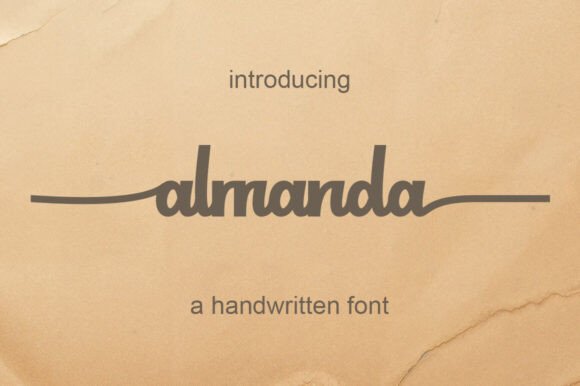
Almanda: A Handwritten Script Font for Makers
The moment I placed the digital mockup of my new soy wax candle label onto the screen, something clicked. The design was clean, minimalist, and modern, but it lacked that essential human touch until I selected Almanda. As a maker who spends hours perfecting product photography and packaging, finding the right typeface is often the difference between a item that looks homemade and one that looks like a boutique brand. Almanda is an enchanting script font perfect for logos, branding, quotes, clothing, tote bags, business cards, websites, and many more. Fall in love with it, and let it take your projects to the highest level of aesthetic appeal. This review explores how this specific Script Handwritten style transforms ordinary designs into compelling visual stories for crafters, Etsy sellers, and creative entrepreneurs.
Using Almanda for Elegant Candle Labels and Product Packaging
When working with Fonts for physical products, readability and charm must coexist. I tested Almanda on a series of kraft paper labels intended for small-batch candles and artisan soaps. The fluid strokes of this Script Handwritten typeface mimic the natural movement of a brush pen, adding an organic warmth that resonates with customers seeking handmade goods. Unlike rigid digital fonts, Almanda breathes life into simple layouts. For candle labels, where space is often limited, the font’s balanced x-height ensures that short phrases like "Lavender & Sage" or "Hand Poured" remain legible even at smaller sizes. However, it is crucial to remember that highly decorative scripts are best suited for titles and brand names rather than ingredient lists or safety warnings. Pairing Almanda with a clean sans serif font for the finer details creates a professional hierarchy that guides the customer’s eye effortlessly from the emotional appeal of the brand name to the practical information they need.
Elevating Wedding Invitations and Stationery with Almanda
For invitation designers and stationery creators, the emotional weight of a typeface is paramount. Almanda excels in this niche, offering a romantic yet contemporary vibe that fits perfectly with modern wedding trends. I applied this font to a suite of wedding invitations, focusing on the couple’s names and the header text. The ligatures and swashes inherent in this Script Handwritten design add a layer of sophistication without feeling overly ornate or dated. It captures the intimacy of handwritten notes, which is exactly what couples want to convey to their guests. When designing for print, especially on textured papers like cotton or linen, the varying stroke weights of Almanda create a beautiful contrast that mimics real ink absorption. This makes it an ideal choice for save-the-dates, RSVP cards, and table numbers. While it shines in display use for names and dates, I recommend keeping body text in a complementary serif font to ensure ease of reading for older relatives or those with visual impairments.
Designing Eye-Catching Tote Bags and Apparel with Almanda
Moving from paper to fabric, I explored how Almanda performs on merchandise such as tote bags and t-shirts. In the world of print-on-demand and handmade apparel, typography is often the main graphic element. Almanda’s bold, flowing characters stand out beautifully against solid colors, making it a powerful tool for creating statement pieces. I designed a canvas tote bag featuring a simple inspirational quote, and the font’s natural curvature added a playful yet chic energy to the design. Because Almanda is an enchanting script font perfect for logos, branding, quotes, clothing, tote bags, business cards, websites, and many more, it adapts well to the constraints of heat transfer vinyl and screen printing. When using cutting machines like Cricut or Silhouette, it is important to weld the letters to maintain the connecting strokes that define its handwritten character. This prevents individual letters from shifting during application and preserves the seamless flow of the script. For apparel, ensure the design is large enough to capture the intricate details of the swashes, as tiny prints may lose definition on textured fabrics.
Building Brand Identity with Almanda for Logos and Business Cards
A consistent brand identity is the backbone of any successful small business, and typography plays a central role in recognition. I utilized Almanda to create a logo concept for a fictional floral studio, and the results were striking. The font’s elegant loops and tails provide a memorable visual signature that works well across various platforms. On business cards, Almanda serves as a standout element for the business name, while contact details are best rendered in a minimalistic sans serif to maintain clarity. This combination establishes a clear visual hierarchy, ensuring that the brand name is the first thing a potential client notices. Beyond physical cards, this Script Handwritten font translates effectively to digital spaces. Whether used in website headers, social media graphics, or email signatures, Almanda maintains its charm and legibility. It helps convey a brand personality that is approachable, creative, and attentive to detail—qualities that resonate deeply with customers who value artisanal craftsmanship.
Practical Tips for Readability and Font Pairing with Almanda
While Almanda is visually stunning, responsible design requires understanding its limitations. As a display font, it is not suitable for long paragraphs or dense blocks of text. I found that using it for anything beyond headlines, short quotes, or names can strain the reader’s eyes. For optimal results, always pair Almanda with a neutral counterpart. A geometric sans serif font offers a modern contrast that grounds the whimsical nature of the script, while a classic serif font can enhance its traditional elegance. When preparing files for commercial use, always check the licensing terms to ensure compliance for both physical products and digital downloads. Additionally, test your designs at actual size before finalizing production. What looks perfect on a large monitor may become illegible on a small sticker or tag. By respecting these boundaries and leveraging the font’s strengths, you can create cohesive, high-quality designs that elevate your product offerings and strengthen your brand presence in a crowded marketplace.